- Kashif Khan
- Posts
- The Four Blood Pressure Medications Destroying Your Health
The Four Blood Pressure Medications Destroying Your Health
What your doctor won't tell you about the drugs you take every day

Kashif Khan
December 24, 2025
Yesterday, I explained how blood pressure guidelines are a marketing scam.
Today, I'll show you what these medications actually do to your body.
60 million Americans take blood pressure medications.
But most have no idea what they're taking… or what it’s doing to them.
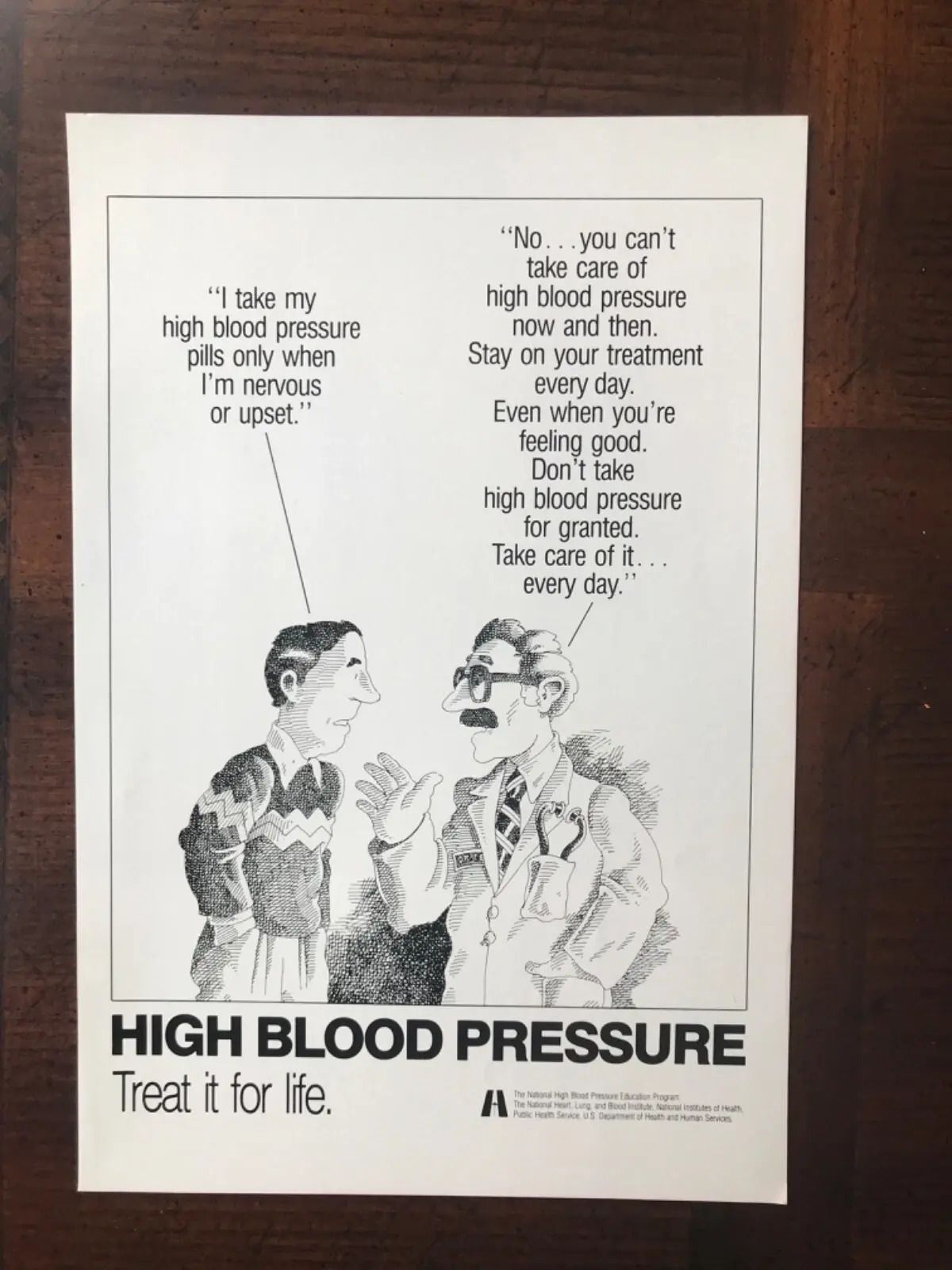
Vintage high blood pressure ad
The Secret About These Drugs
Different blood pressure medications work completely differently.
But here's what's strange:
A 2007 NIH study of 42,418 people found that two different BP medications created the same drop in blood pressure.
Yet one reduced heart failure by 18%.
The other reduced it by 80%.
If lowering blood pressure was the goal, they should have had the same effect.
They didn't.
This proves the benefits (if any) come from how each drug affects your body.
Not from lowering blood pressure.
The Four Types
1. Diuretics
These force your kidneys to dump sodium and water.
You urinate constantly and your body dehydrates.
Side effects:
Electrolyte imbalances (low sodium causes weakness and hospital admissions)
Low potassium in 8.2% of users
Gastrointestinal problems from dehydration
Increased diabetes risk
Gout (significantly higher risk)
Lightheadedness
2. Beta-Blockers
These slow your heart and weaken its pumping force.
Patients hate these drugs. They report worse quality of life.
Side effects:
Extreme fatigue
Depression and mood swings
Sexual dysfunction
Cold hands and feet
Weight gain
Trouble sleeping
Shortness of breath
Doctors often don't recognize these symptoms.
3. Calcium Channel Blockers
These relax smooth muscle in arteries and reduce heart contraction force.
Side effects:
Swelling throughout the body (5.7% to 16.1% of users)
Dizziness and lightheadedness
Constipation
Headaches
Abnormal heart rates
4. ACE Inhibitors
These block the kidney's pressure-raising hormone cascade.
Most doctors consider these "the best."
Side effects:
Chronic dry cough (8% to 35% of users)
Headaches and lightheadedness
Loss of taste
Acute kidney injury (26% increased risk)
Dangerous potassium levels (103% increased risk, affects 4.8% of users)
Lung cancer (19% increased risk)
What Patients Actually Experience
A 1995 Swedish survey found 1 in 5 users experience side effects.
A 1982 study compared how doctors, patients, and families rated quality of life on BP medications:
75 doctors said quality of life improved
36 patients said it improved
7 patients said it got worse
74 family members said it got worse
Doctors are completely disconnected from what these drugs do to patients.
23.5% of patients stop taking BP medications within 270 days.
40.2% who continue often skip doses.
They stop because they feel terrible.
What Actually Works
Address the root causes:
Chronic stress. High cortisol damages arteries and raises pressure.
Sedentary lifestyle. Movement improves arterial flexibility.
Mineral deficiencies. Magnesium, potassium, and sodium balance matters more than blood pressure numbers.
Blood stagnation. Poor circulation from sitting, dehydration, and lack of movement.
Inflammation. This is what damages arteries in the first place.
Fix these, and blood pressure often normalizes.
That being said—do not stop BP medications without speaking to your doctor.
And make sure you’re working with one who understands root causes—not one that blindly follows guidelines from pharmaceutical companies.
Until next time,
Kashif Khan
These statements have not been evaluated by the Food and Drug Administration. This product is not intended to diagnose, treat, cure, or prevent any disease. Information on this site is provided for informational purposes only. It is not meant to substitute for medical advice from your physician or other medical professional. You should not use the information contained herein for diagnosing or treating a health problem or disease or prescribing any medication. If you have or suspect that you have a medical problem, promptly contact your regular healthcare provider.