- Kashif Khan
- Posts
- Why Vitamin E Supplements Don't Work
Why Vitamin E Supplements Don't Work
How to get your Vitamin E the right way

Kashif Khan
December 25, 2025
Vitamin E is everywhere.
Skincare products.
Multivitamins.
Heart health supplements.
Doctors recommend it for everything from immune function to preventing Alzheimer's.
But here's the problem:
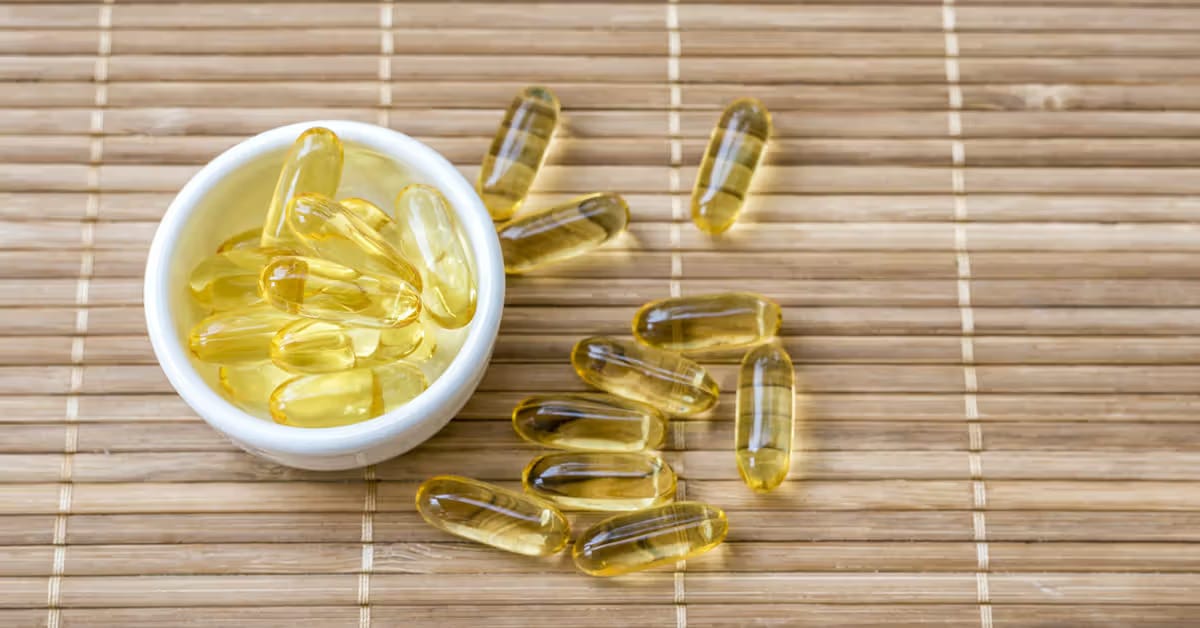
Population studies show massive health benefits from vitamin E in food…
But nothing from supplements.
Same nutrient, but completely different results.
What Vitamin E Actually Does
Vitamin E is a fat-soluble vitamin. It weaves itself into the fatty outer layer of your cells—the cell membrane.
It stands guard there. When free radicals attack (UV rays, pollution, cigarette smoke, processed food), vitamin E neutralizes them before they damage your cells.
It also thins blood slightly, preventing blood clots (the same effect you get from things like omega-3s and curcumin).
The Research Is Clear
A study of almost 100,000 nurses found those with the highest vitamin E intake had 30-40% lower rates of heart disease.
Population studies show lower rates of cataracts and macular degeneration in people with high vitamin E intake.
Adults 65+ with the highest vitamin E intake showed significantly less cognitive decline over 3 years.
But when researchers gave people vitamin E supplements, the benefits disappeared.
Why?
Food vs. Supplements
Vitamin E in food comes packaged with fat.
It's in salmon roe, eggs, nuts, and seeds.
Your body absorbs it easily and it works synergistically with other nutrients in the food.
Supplements isolate one form of vitamin E—alpha-tocopherol. They strip away the cofactors and the fat needed for absorption.
And they don't replicate what happens when you eat real food.
How Vitamin E Protects You
Heart disease.
Vitamin E prevents LDL cholesterol from oxidizing.
It's not LDL itself that's dangerous—it's oxidized LDL that forms arterial plaque.
Vitamin E also keeps blood vessels flexible so they can widen and blood flows freely.
Immune function.
Vitamin E regulates T-cell function.
T-cells are white blood cells that identify and eliminate foreign invaders.
Vitamin E affects their membrane integrity, cell division, and signaling.
Eye disorders.
Oxidation and inflammation drive cataracts and macular degeneration.
Vitamin E limits free radical damage to eye cells.
It keeps them healthy as you age.
Cognitive decline.
Free radicals damage the polyunsaturated-rich membranes of brain cells.
Vitamin E protects these membranes.
It reduces inflammation in vessels that supply blood and oxygen to the brain.
Best Food Sources
Vitamin E is fat-soluble—so the best sources contain fat.
Top sources per ounce:
Salmon roe: 10,000 mcg (71% DV)
Sunflower seeds: 7.4 mg (49% DV)
Almonds: 6.8 mg (45% DV)
Hazelnuts: 4.3 mg (29% DV)
You'll see vegetable oils listed everywhere as vitamin E sources.
Ignore them. Vegetable oils are high in inflammatory omega-6 fats.
They're processed with high heat and chemicals—creating the exact free radicals vitamin E is supposed to protect you from.
Getting antioxidants from a source full of free radicals makes no sense.
The Takeaway
Vitamin E from food prevents disease, but supplementing with it does not provide the same benefit.
Eat salmon roe, eggs, nuts, and seeds—skip the pills.
Until next time,
Kashif Khan
These statements have not been evaluated by the Food and Drug Administration. This product is not intended to diagnose, treat, cure, or prevent any disease. Information on this site is provided for informational purposes only. It is not meant to substitute for medical advice from your physician or other medical professional. You should not use the information contained herein for diagnosing or treating a health problem or disease or prescribing any medication. If you have or suspect that you have a medical problem, promptly contact your regular healthcare provider.